tiếng Việt
- English
- Español
- Português
- русский
- Français
- 日本語
- Deutsch
- tiếng Việt
- Italiano
- Nederlands
- ภาษาไทย
- Polski
- 한국어
- Svenska
- magyar
- Malay
- বাংলা ভাষার
- Dansk
- Suomi
- हिन्दी
- Pilipino
- Türkçe
- Gaeilge
- العربية
- Indonesia
- Norsk
- تمل
- český
- ελληνικά
- український
- Javanese
- فارسی
- தமிழ்
- తెలుగు
- नेपाली
- Burmese
- български
- ລາວ
- Latine
- Қазақша
- Euskal
- Azərbaycan
- Slovenský jazyk
- Македонски
- Lietuvos
- Eesti Keel
- Română
- Slovenski
- मराठी
- Srpski језик
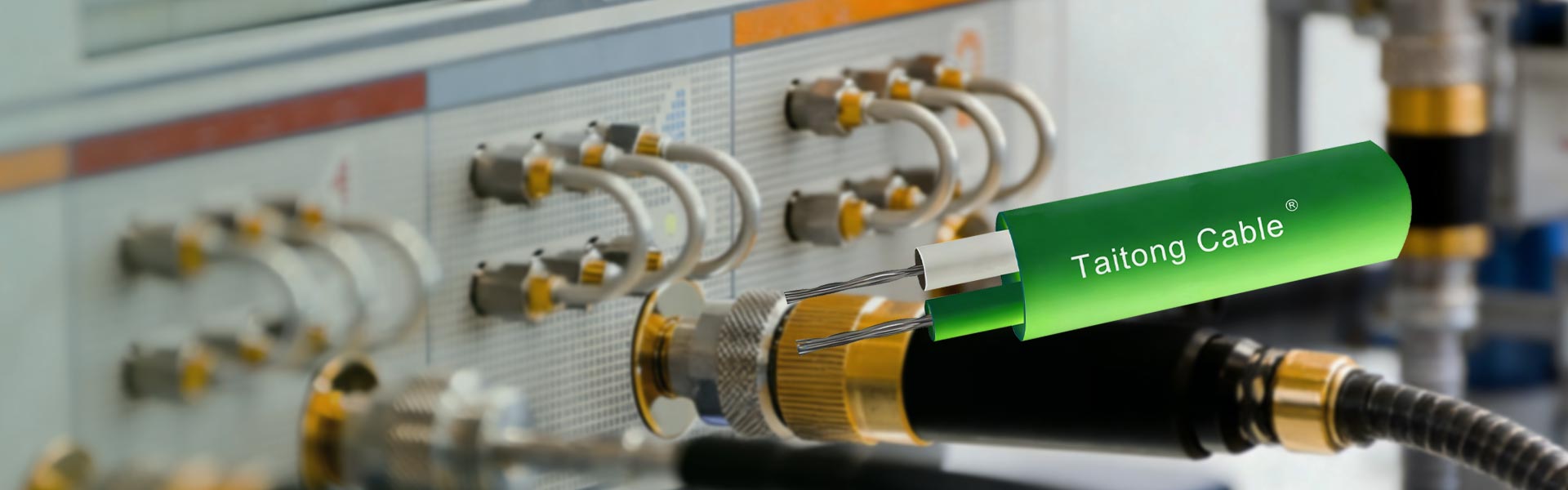
Cáp tín hiệu và điều khiển
Cáp an toàn, bền và hiệu quả cho các thiết bị điện khác nhau
Nhà sản xuất cáp tín hiệu và thiết bị đo đạc chất lượng cao tại Trung Quốc
Cáp Taitonglà nhà sản xuất và cung cấp Thiết bị đo lường và Cáp tín hiệu chuyên nghiệp tại Trung Quốc. Cáp tín hiệu và dụng cụ của chúng tôi được thiết kế đặc biệt cho các hệ thống thiết bị và tự động hóa công nghiệp. Là một doanh nghiệp lớn với 5 nhà máy tại Trung Quốc, chúng tôi cam kết cung cấp cho khách hàng toàn cầu các sản phẩm và dịch vụ cáp chất lượng cao và tiết kiệm chi phí.
- View as
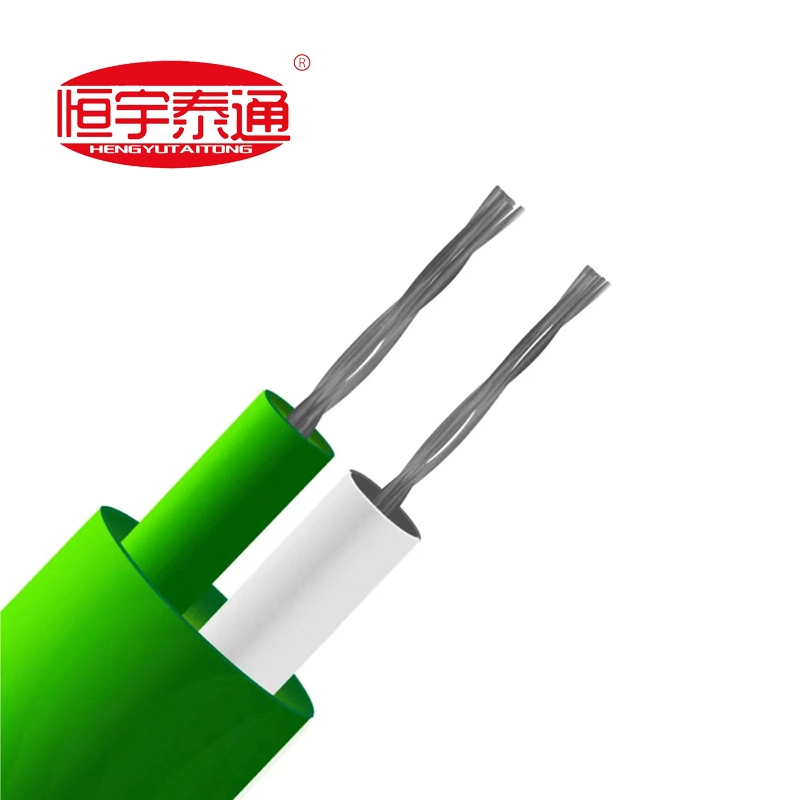
Cáp tín hiệu và điều khiển máy tính PLS DCS
Là nhà sản xuất và cung cấp toàn cầu Cáp tín hiệu và điều khiển máy tính PLS DCS chuyên nghiệp tại Trung Quốc, Taitong Cable Co., Ltd. có hơn 20 năm kinh nghiệm với đội ngũ kỹ thuật và bán hàng lành nghề. Chúng tôi cung cấp các dịch vụ và cáp chất lượng cao, tiết kiệm chi phí cho khách hàng nước ngoài. Tọa lạc tại Hà Bắc, Trung Quốc, Taitong chào đón các doanh nghiệp và nhà phân phối toàn cầu hợp tác nhằm cung cấp kho hàng tuân thủ tiêu chuẩn và cáp tùy chỉnh cho các ngành công nghiệp điện và thiết bị trên khắp Châu Âu, Châu Mỹ, Châu Á và Châu Phi.
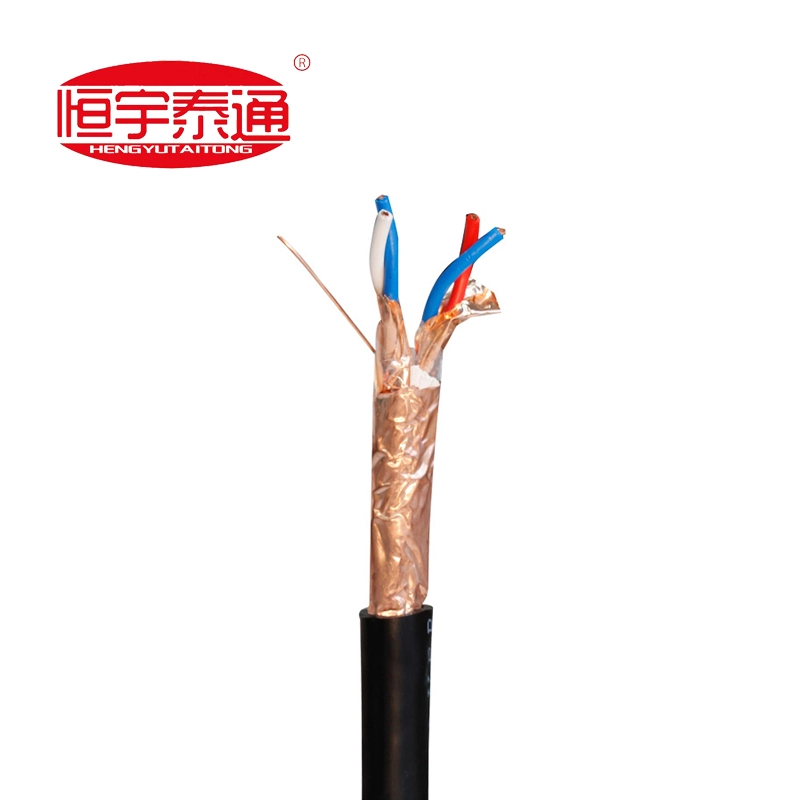
Cáp tín hiệu điều khiển đặc biệt của thiết bị
Taitong là nhà sản xuất chuyên nghiệp và nhà cung cấp toàn cầu về Cáp tín hiệu điều khiển đặc biệt dành cho thiết bị. Với mạng lưới dịch vụ rộng khắp, chúng tôi đã phủ sóng hầu hết các tỉnh, thành phố trên khắp Trung Quốc và xuất khẩu sản phẩm của mình ra nước ngoài. Chúng tôi rất tự hào khi cung cấp cho khách hàng đầy đủ các sản phẩm cáp với nhiều thông số kỹ thuật khác nhau, tuân thủ các loại cáp tuân thủ tiêu chuẩn Quốc tế.
1. Instrument and Signal Cables Introduction
Instrument and signal cables are specially used in industrial automation and instrumentation systems for low-voltage, low-current signal transmission (such as temperature and pressure signals) and control.They feature high shielding performance against interference, mainly including analog/digital signal cables, thermocouple extension cables, shielded control cables, etc., suitable for connections between sensors, transmitters, and PLC or DCS systems.
2. Key Features of Instrumentation and Signal Cables
2.1 Low voltage operation: AC rated voltage is generally 0.45/0.75 kV and below.
2.2 High shielding: Copper wire braided shielding or aluminum foil shielding (pair shielding or overall shielding) is used to prevent electromagnetic interference and ensure signal accuracy.
2.3 Precision structure: Multi-core, with fine conductors; insulation materials include PVC, PE or XLPE.
2.4 Flame retardant and temperature resistant: Suitable for industrial environments, with an operating temperature of 70℃ or higher.
3. Common Types of Instrument and Signal Cables
3.1 Instrument signal transmission cables: For analog (temperature, pressure, flow) and digital (switching) signals.
3.2 Thermocouple and RTD extension cables: For temperature instruments, using matched materials to ensure accuracy.
3.3 Communication cables: For fieldbus systems such as RS485, Modbus, connecting sensors and control systems.
3.4 Intrinsic safety shielded cables: For hazardous and explosion-proof areas, usually with a blue outer sheath.
4. Selection Guidelines
4.1 Shielding: Shielded cables are strongly recommended (shield grounded at one or both ends) to avoid noise interference.
4.2 Conductor: Usually high-purity copper (good flexibility, high conductivity).
4.3 Installation environment: Consider oil resistance, flame retardancy, wear resistance, tensile strength, or direct burial.
5. What’are Instrument Cables?
Instrument cables are specially designed for signal transmission and control circuits in instruments and meters under low-voltage conditions.They are widely used in industry to connect instruments and control equipment, ensuring accurate signal transmission and reliable control.
5.1 Main Types
5.1.1 Instrument analog signal cables: Transmit analog signals such as temperature, pressure, flow.
5.1.2 Instrument switching signal cables: Transmit on/off signals.
5.1.3 Thermocouple extension cables: Transmit temperature signals from thermocouples to measuring devices.
5.1.4 RTD extension cables: Transmit temperature signals from resistance temperature detectors.
5.1.5 Power supply cables: Supply power to instruments and equipment.
5.1.6 Grounding cables: Provide reliable grounding for instrument systems.
5.1.7 Communication cables: Enable communication between instruments and control systems.
5.2 Applications
5.2.1 Control: Transmit control signals at rated voltage 450/750V, for indicator lights, relays, switches, alarm interlock systems.
5.2.2 Measurement: Transmit 4–20 mA, 0–10V analog signals for sensors.
5.2.3 Communication: Transmit telephone, data, video, and network signals.
5.3 Selection Requirements
5.3.1 Conductor: Tinned copper or silver-plated copper to resist oxidation and improve conductivity.
5.3.2 Insulation and sheath: High-performance polymers with good impact, tensile, bending, and wear resistance.
5.3.3 Shielding: Tinned copper braid to resist strong electric and magnetic interference.
5.3.4 Protection layer: Polymer layer to protect insulation and enhance mechanical performance.
5.4 Performance Advantages
5.4.1 Oil, wear, acid, alkali and corrosion resistant
5.4.2 Waterproof and highly shielded
5.4.3 High tensile strength
5.4.4 Excellent voltage resistance
5.4.5 High reliability and long service life
6. What are Signal Cables?
Signal cables are shielded cables used for signal transmission in sensors and instruments, usually with tinned or silver-plated conductors to improve signal stability. They feature a four-layer structure: insulation, shielding, wrapping, and sheath, ensuring accurate transmission of weak electrical signals.
6.1 Railway Signal Cables
6.1.1 Suitable for AC 750V or DC 1100V and below in railway signaling systems.
6.1.2 Operating temperature: -45℃ to + 60℃
6.1.3 Laying temperature: not below - 10℃
6.1.4 Long-term conductor temperature: ≤ 70℃
6.1.5 Minimum bending radius: 15–20 times outer diameter
6.1.6 Functions: transmit analog signals (1 MHz), digital signals (2 Mbit/s), power and control data
6.1.7 Applications: automatic block signaling, computer interlocking, dispatching systems, switch machines
6.2 Mining Signal Cables
6.2.1 Common types: MHY32, MHYVRP, etc.(Chinese cable models)
6.2.2 PE insulation, flame-retardant PVC sheath
6.2.3 Used in underground mines, shafts, inclined shafts, and areas with strong electromagnetic interference
6.2.4 Various structures for different mine environments: armored, shielded, flexible, reinforced
7. Our Strength and Commitment
Supported by our strong production scale and capacity, Taitong Cable has achieved outstanding supply performance in railway signal cables and mining signal cables in China. We have established long-term and stable cooperation with national-level railway and coal mining enterprises in China, also been committed to building a global instrument and signal cable supply network, and establishing long-term, stable partnerships with buyers and enterprises worldwide. Taitong Cable is poised to become a world-class cable supplier among China’s top cable enterprises with very competitive in price and quality.